Loyalty Tier Structures Influencing Bet Progression in Multi-Property Casino Networks

Multi-property casino networks operate sophisticated loyalty programs that assign players to tiers based on tracked play volume, and these structures create measurable shifts in how participants adjust their wagers over time. Researchers tracking data from major operators have noted that tier advancement often correlates with changes in bet sizing, particularly when rewards such as free play, hotel stays, and dining credits become available only after crossing specific thresholds.
Mechanics of Tier Qualification Across Networks
Casino groups like those operating under MGM Rewards or Caesars Rewards calculate tier status through accumulated points earned from slot and table game activity, with higher levels requiring greater total coin-in or theoretical loss over defined periods. Points typically transfer across affiliated properties so a player active in Las Vegas can maintain status while visiting locations in other states, and this connectivity encourages consistent bet increases as individuals work toward annual renewal deadlines. Data compiled through June 2026 shows networks adjusting qualification windows to align with seasonal travel patterns, which in turn influences when participants ramp up wagers to secure or maintain elite status.
Entry-level tiers grant basic benefits while mid-tier and top-tier designations unlock escalating comp values that frequently justify larger average bets for some players. Analysts reviewing internal reports from regional operators have observed that the dollar value of comps scales nonlinearly with tier rank, creating incentives for gradual bet progression rather than sudden spikes. Those studying player databases note that individuals often spread play across multiple venues within the same network to accelerate point collection without drawing attention at any single location.
Documented Shifts in Wager Patterns
Studies examining transaction logs from networked properties reveal that players approaching tier thresholds demonstrate statistically higher frequencies of bet increases during the final weeks of qualification periods. This pattern appears across both slot and table game segments, although table game participants show more variability because they can adjust wagers on individual hands or rounds. According to figures released by the Nevada Gaming Control Board, average bet sizes among loyalty program members rise between 12 and 18 percent in the month preceding tier evaluation deadlines compared with earlier periods in the same year.
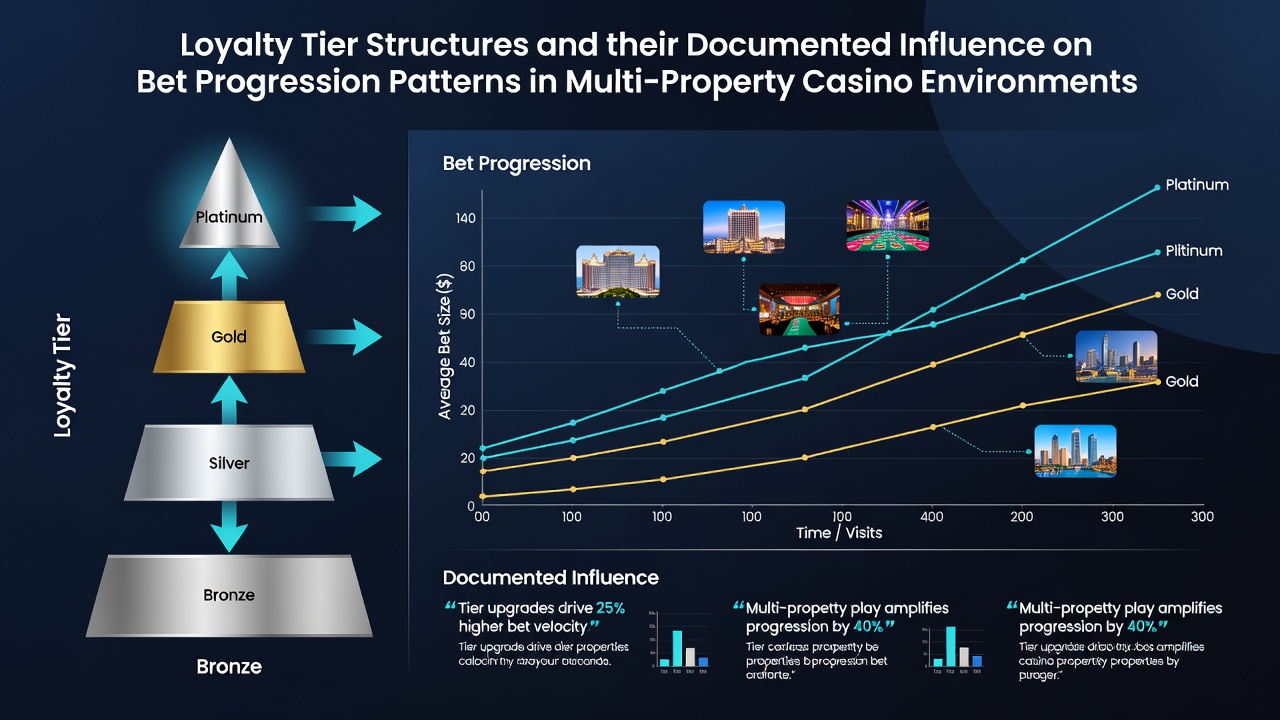
What's interesting is how network-wide tracking software allows operators to identify and segment these behaviors by tier level. Mid-tier players exhibit the most pronounced progression because the jump to the next reward bracket delivers the largest relative increase in comp value. In contrast, top-tier participants sometimes maintain steadier bet levels once they have secured annual status, although some continue incremental increases when chasing lifetime achievement milestones that unlock permanent benefits. Observers reviewing anonymized datasets from multi-state operators have documented similar patterns in both East Coast and Midwest markets, suggesting the dynamic operates consistently regardless of regional player demographics.
Role of Cross-Property Data Integration
Integrated player tracking systems enable real-time visibility into total activity across all network locations, which removes the need for manual point consolidation and accelerates recognition of qualifying play. This infrastructure supports targeted marketing campaigns that notify members of their current standing and projected rewards, prompting some to extend sessions or raise wagers to close remaining gaps. Academic researchers at institutions such as the University of Nevada, Las Vegas have examined these systems and found correlations between notification timing and subsequent bet adjustments in controlled samples of frequent visitors.
Regulatory filings from gaming authorities in New Jersey and Pennsylvania further indicate that networks must maintain audit trails showing how tier benefits are awarded, which indirectly documents the relationship between play volume and reward eligibility. These records allow analysts to map bet progression curves against tier advancement dates without relying on self-reported player behavior. One study of aggregated data from Atlantic City properties linked to national networks showed that participants who received mid-cycle status updates increased their average table minimums more frequently than those who received only end-of-period summaries.
Conclusion
Loyalty tier structures in multi-property casino networks generate measurable effects on bet progression through a combination of reward scaling, cross-location point tracking, and timed qualification cycles. Available data from regulatory bodies and academic reviews confirm that players respond to these mechanics by adjusting wager sizes in patterns that align with advancement thresholds. Continued integration of tracking technologies across expanding networks suggests these dynamics will remain central to how operators manage player engagement and how participants calibrate their activity within those frameworks.